AFRICA
Guinea-Bissau’s interim government appoints prime minister
In addition, the government has lifted curfews and restricted access to social networks
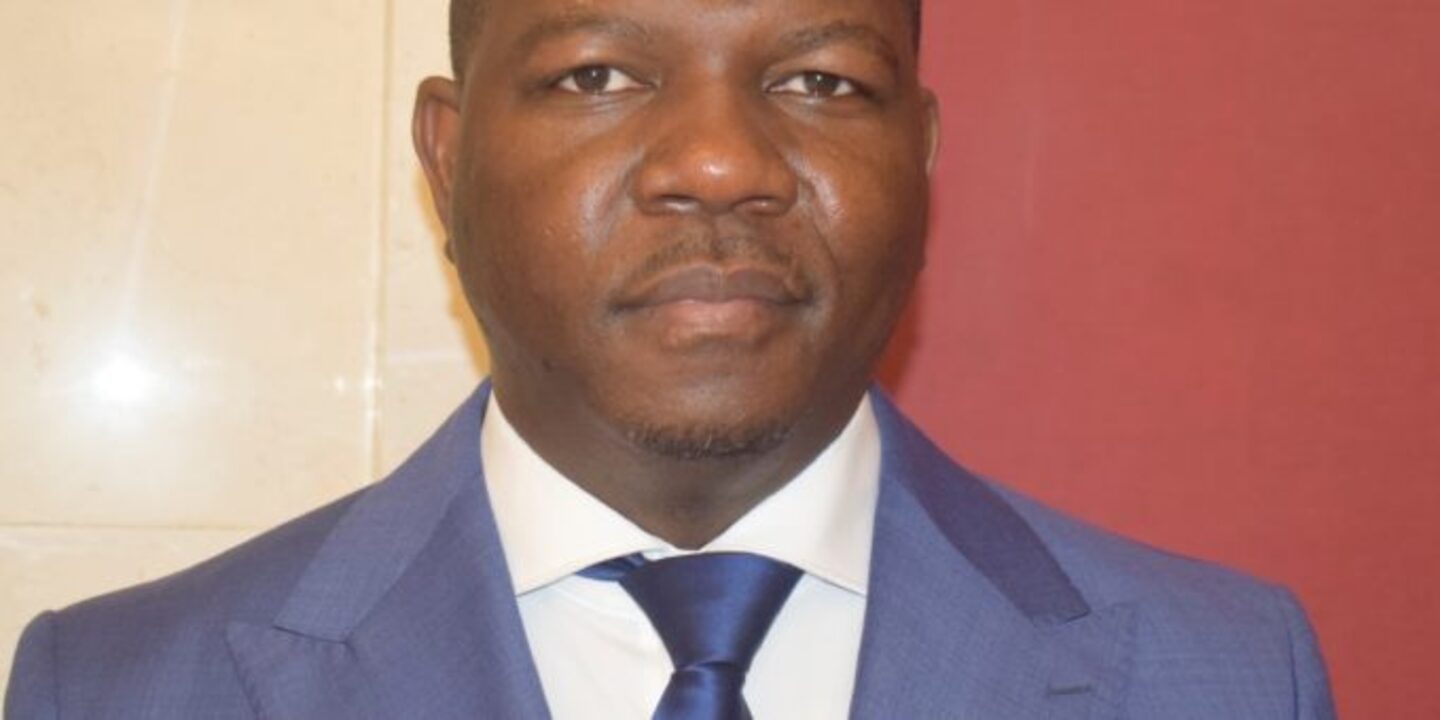
The transitional government of Guinea-Bissau announced on Friday (28) the appointment of Ilídio Vieira Té as the new prime minister. The decision was made official by Presidential Decree No. 2/2025, signed by the leader of the transition period, General Horta Inta-a, who took command of the country after the deposition of President Umaro Sissoco Embaló on Wednesday (26).
According to the decree, Vieira Té will take over as head of government with the Finance portfolio. The appointment comes at a time when the Military High Command for the Restoration of National Security and Public Order (ACM) announced the lifting of restrictions on movement and the end of the ban on access to social networks, measures adopted shortly after the coup.
Who is the new prime minister?
Ilídio Vieira Té, born on May 5, 1983, is linked to the Social Renewal Party (PRS) and ran the Presidential Platform campaign, which supported Embaló in the November 23 legislative elections. He has a degree in Public Law and a master’s degree in Human Rights and Development from Pablo de Olavide University in Spain.
Elected to parliament for the first time this term, he has held senior positions in the Public Administration and headed the Ministry of Finance in different governments, including those of Rui de Barros and Braima Camará. The new prime minister is considered to be close to the ousted president and was one of his trusted staff.
Curfew lifted
In a statement, the ACM said that the curfew, the military barricades and the suspension of digital platforms were lifted at 00:00 this Friday. The streets of Bissau have resumed the circulation of vehicles, public transport and the opening of markets. Banks and private establishments have also reopened.
The military command said that the former chiefs of staff, Generals Biaguê Na N’Tan and Mamadu Turé, are in custody but unharmed. Embaló remains in exile in Dakar, Senegal, where he was taken on a flight chartered by the Senegalese government, according to an official statement.
What’s happening in Guinea-Bissau
Embaló’s deposition came in the midst of a fierce dispute over the November 23 presidential elections. Both the then president and his main opponent, Fernando Dias da Costa (PAIGC), declared victory before the official results were released. The crisis escalated with armed clashes in the capital and the arrest of political leaders, including Embaló himself, members of the government and opposition leaders.
The military announced on state television the creation of the Military High Command for the Restoration of Order, dissolving the institutions and suspending the electoral process. They justified their intervention by claiming to have identified a plan to manipulate the results and collusion between politicians, a drug trafficker and foreign actors.
The following day, the borders were reopened and General Horta Nta Na Man was sworn in as transitional president for a period of one year.
The Economic Community of West African States (ECOWAS), an African organization controlled by imperialism, condemned the overthrow of the government, calling it an “illegal interruption of the democratic process”, and suspended Guinea-Bissau from the bloc. The African Union (AU) also called for the restoration of constitutional order.